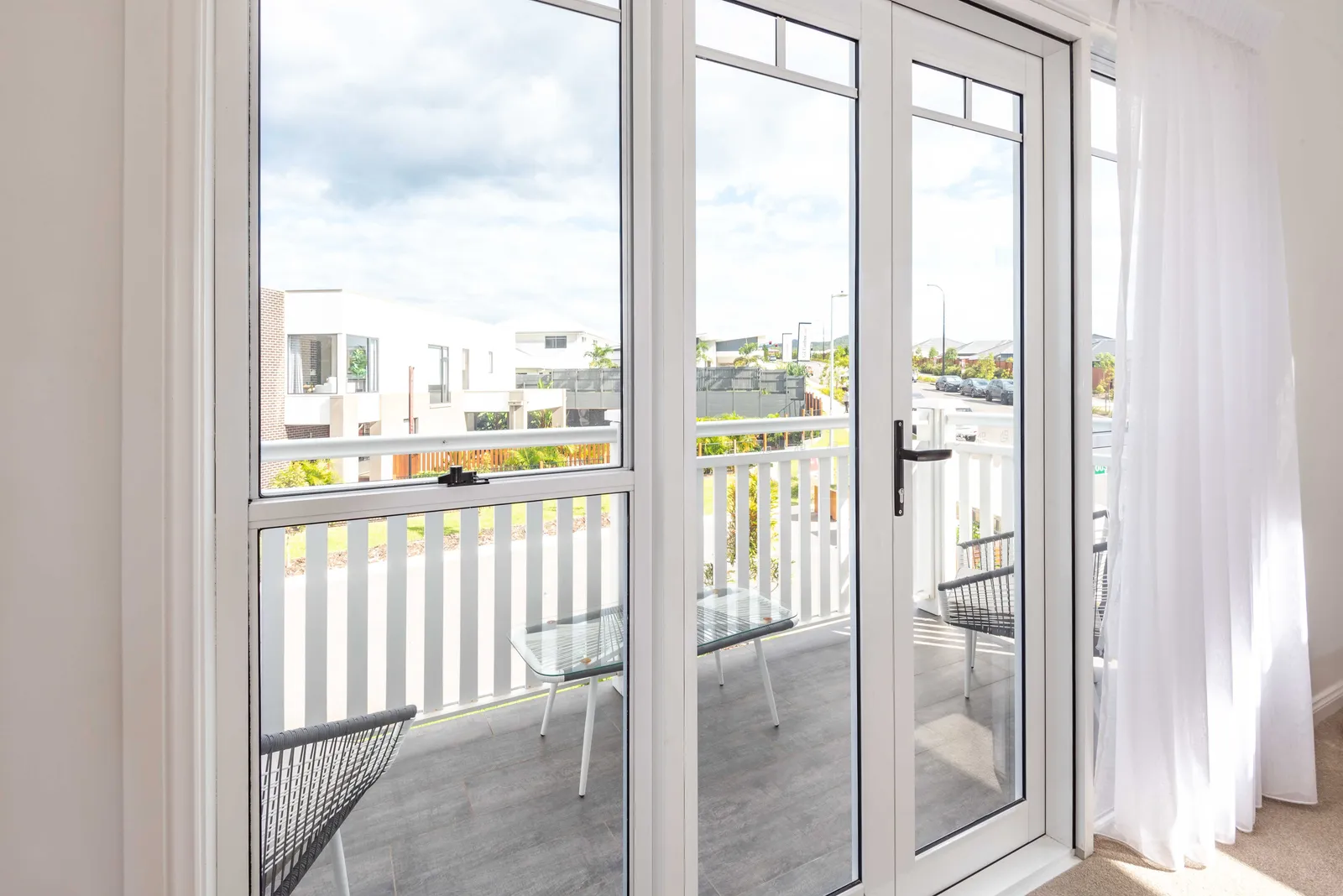

Leaking and draughty windows are one of those problems Sydney homeowners learn to live with – until they shouldn’t. Energy bills go up 10–20% in older homes with bad seals. Mould grows. Walls and frames rot. Comfort drops. The good news is most of it’s very fixable — and our professional window repair service in Sydney covers everything from a simple seal replacement to a full frame swap.
Why window leaks & draughts matter
Three reasons:
- Energy. A draughty window can leak 10–25% of your heating/cooling out the side. Add up over winter and summer, that’s a noticeable bill.
- Mould and structural damage. Water ingress feeds rot in timber framing and breeds mould in plasterboard – both expensive to remediate.
- Comfort. Cold downdraughts in winter, warm air loss in summer, and the constant low whistle of air through a perished seal – none of it improves the home.
Common causes of window leaks & draughts
- Damaged or worn seals. The most common cause. UV-degraded weather strip and perished glazing tape let air and water move freely. Easy to spot if you know what to look for.
- Poor installation. Frames not packed/levelled correctly, or fixed without weather-sealing the perimeter to the wall.
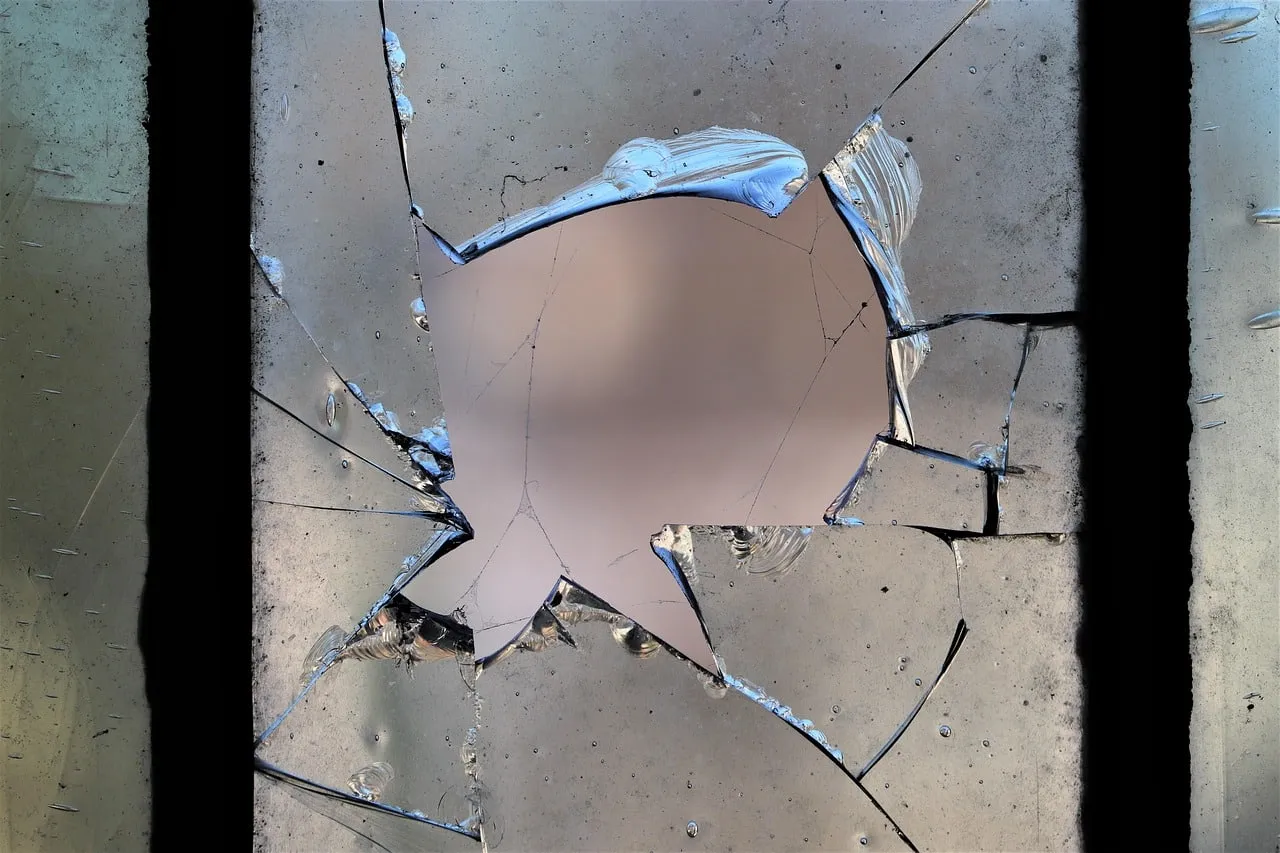
- Frame damage. Corrosion at corners, distortion from impact, or structural shift. A compromised frame also has implications beyond leaks — for more on the security and structural risks of a failed window seal, see our dedicated guide.
- Glass problems. Cracked silicone bedding, failed double-glazed unit seals, missing glazing beads.
- Structural movement. Heritage homes flex; sections of wall settle. Frames crack at the corners or pull out of plumb.
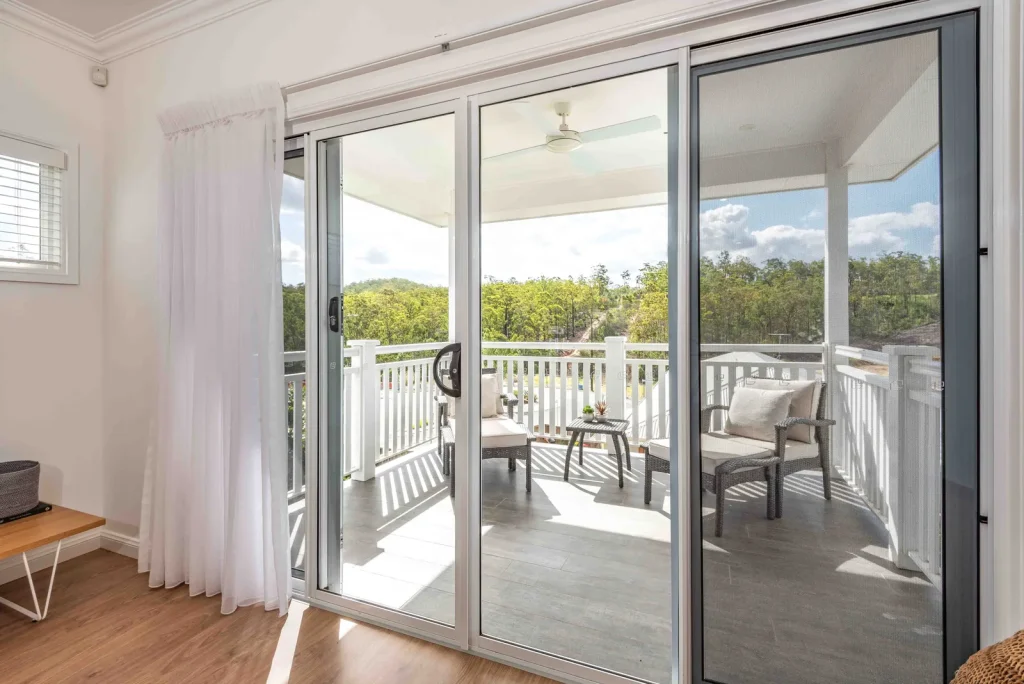
- Blocked drainage channels. Sliding-window tracks have weep-holes that drain water out. Block them with grit and the water backs up over the sill – into your home.
How to detect leaks and draughts
Five tests, easy enough to do at home.
Visual signs
Water marks on the sill, peeling paint, mould spots in corners, swelling at the base of the architrave. A torch raked along the frame from outside reveals gaps.
Condensation clues
Persistent condensation on or around a single window in cold weather often indicates poor sealing or thermal bridge – air is leaking around the frame.
The smoke test
Burn an incense stick or use a thin smoke source near the closed window. Watch for the smoke to curl – that’s draught movement. Test top, bottom, sides, and the meeting rail of sliders.
Listen and feel
Cold winter mornings make this easy. Run the back of your hand around the closed sash – you’ll feel the cold leak as a moving column of air.
Thermal cameras
If you have access to a thermal imager (cheap phone attachments now exist), cold spots around frames pinpoint air leaks instantly.