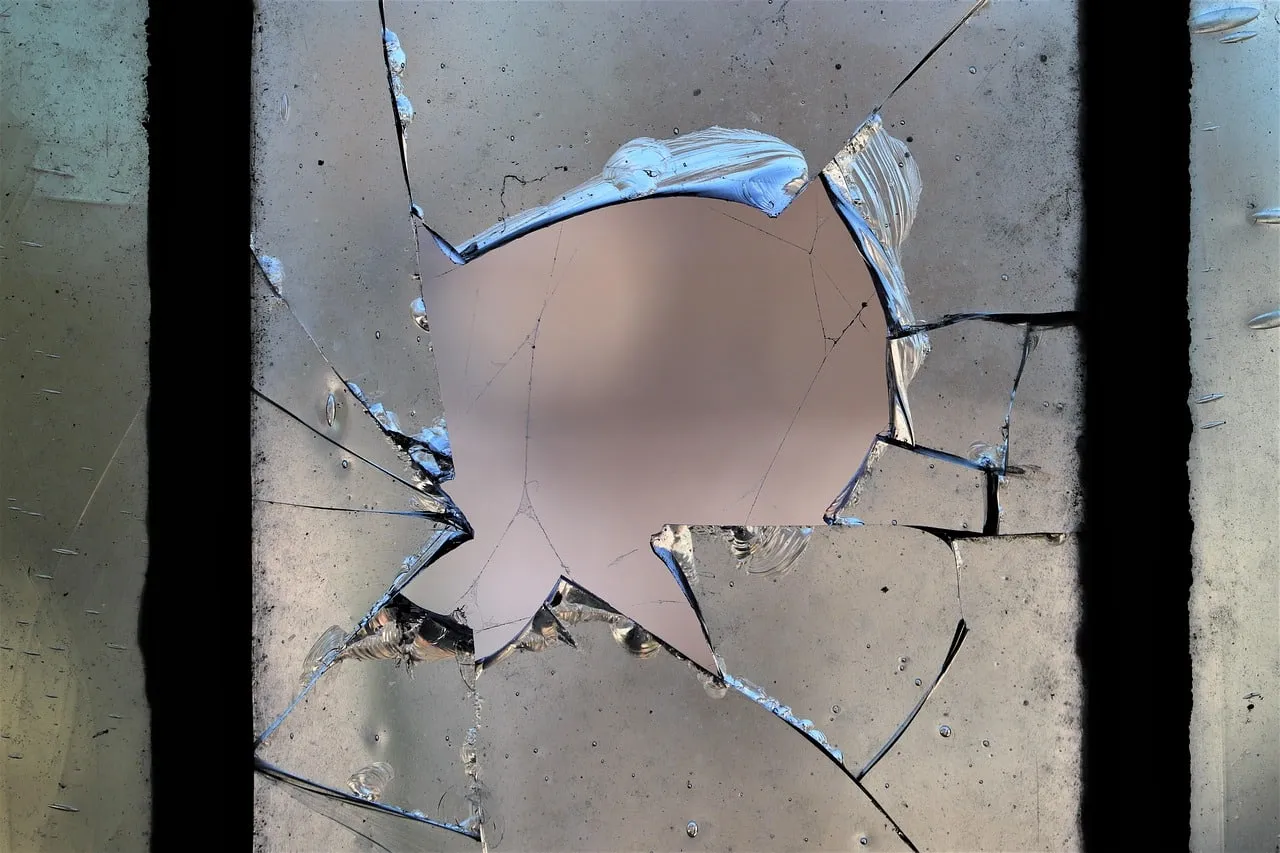

Broken glass is stressful. The good news is that handling it well is mostly about following a sequence – secure the area, document the damage, board up, then call a glazier. We do this five times a day across Greater Sydney; here’s the guide we’d give a friend.
What causes glass to break?
Knowing why it broke matters – for insurance, for prevention, and for choosing the right replacement spec.
- Impact damage. A thrown ball, a stone from a mower, a bird, a forced-entry attempt. The most common cause we see.
- Thermal stress. Hot sun on cold glass, or cold air on a hot pane – sudden temperature change creates internal stress that the glass can’t absorb. Often happens in the first cold morning of winter.
- Poor installation or frame pressure. Glass that’s been pinched in the rebate, or a frame that’s shifted with the house, can crack from edge stress.
- Manufacturing flaws. Nickel sulphide inclusions in tempered glass cause spontaneous shattering – rare, but real. Manufacturers replace under warranty.
- Structural movement. Heritage timber-framed homes flex over time. A long-static window can suddenly get loaded as the house moves.
- Old or worn seals. Failed glazing tape lets the glass move in the rebate – it eventually cracks at the bearing point.
- Spontaneous breakage. Tempered glass that fails for no obvious reason – this is the nickel sulphide story above.
What to do immediately after glass breaks
Six steps. Do them in order.
1. Stay calm and assess
- Check yourself and others for cuts
- Identify children, pets, bare-foot adults – clear them from the area
- Note whether it’s an external pane (security/weather concern) or internal
- If anyone is bleeding or there’s ceiling glass falling, call 000 first
2. Secure the area
- Close off the room if you can
- Wear closed shoes — ideally with a hard sole
- Leather gloves if you have them
- Don’t walk in stockinged feet anywhere near the breakage
- If the glass is overhead (skylight, conservatory) get out of the room – falling shards can keep coming for hours
3. Clean up carefully
- Stiff broom and dustpan for the bigger pieces
- Vacuum the area after – but empty the canister outside (glass dust travels)
- Damp paper towel picks up tiny shards a vacuum misses
- Bin the lot in a thick plastic bag, double-bagged
4. Cover the damaged area
- Plywood is gold standard for external openings
- Thick cardboard + tarp + gaffer tape if you don’t have ply
- Don’t leave a broken external pane overnight in winter or storm season
5. Document for insurance
- Wide shot showing the room and damage location
- Close-up of the break itself
- Cause if visible (the brick, the bird, the stone)
- Photos of any related damage (carpet, walls, contents)
6. Call a professional
- Look for a glazier with same-day boarding capability
- Confirm they handle insurance claims (most reputable ones do)
- Ask about glass spec – replacement to original spec is the minimum, an upgrade to AS2208 safety glass is the smart call
- Get the quote in writing before any work starts