
What it is and how it works
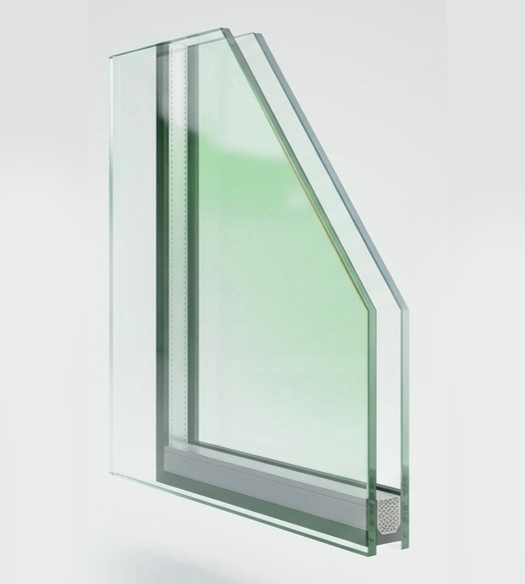
A double glazed window — technically an Insulated Glass Unit, or IGU — is two panes of glass separated by a sealed cavity. That cavity is usually 6–16mm wide and filled with air or argon gas. Both materials are poor conductors of heat and sound. The result is a window assembly that transfers significantly less energy between inside and outside than a single pane of glass ever can.
Heat moves through glass in two ways: conduction (direct transfer through the material) and radiation (infrared energy passing through). The sealed air or argon cavity interrupts conduction. A Low-E (low-emissivity) coating on the inner face of the outer pane reflects radiant heat back in winter, or blocks solar heat in summer, depending on which face the coating is applied to. These two mechanisms working together — the cavity and the coating — are what make a quality IGU substantially different from just two panes of glass sitting side by side.
The hermetic seal holding the cavity together is the unit’s weak point. When it fails, humid air enters the cavity and you see fogging or condensation between the panes. A quality unit from a reputable manufacturer will hold its seal for 20–30 years. Cheap imported units often fail in under 10.
Why it makes sense in Sydney specifically
Sydney isn’t Hobart. Winters are mild. The case for double glazing in Sydney doesn’t rest on heating bills — it rests on three different realities.
Summer heat gain. West-facing rooms in a Sydney January with single glazing are uncomfortable even with air conditioning running. A standard 3mm single pane has a Solar Heat Gain Coefficient (SHGC) of around 0.85 — meaning 85% of incoming solar energy converts to heat inside your room. A double glazed Low-E unit brings that figure to around 0.46. That halving of solar heat gain is the difference between a room you can use in the afternoon and one you avoid until sundown.
Traffic and aircraft noise. Greater Sydney has some of the most congested road corridors and busiest airspace in Australia. Homes near Parramatta Road, the M4, railway lines, or under the flight paths to and from Kingsford Smith sit in zones where external noise is a daily quality-of-life issue. A sealed IGU delivers 32–36 dB of acoustic attenuation versus 25–28 dB for standard single glazing. That gap is audible immediately, and for many Sydney homeowners it’s the primary reason they upgrade — not energy bills.
NSW BASIX and energy compliance. New builds and significant renovations now need to meet minimum energy performance targets under the NSW BASIX scheme and the NatHERS framework. Double glazing on north and west-facing elevations is one of the most cost-effective ways to hit those targets, and on new builds the cost premium per window relative to total construction cost is small.
Performance metrics explained
Three numbers matter when comparing double glazed products:
U-value (W/m²K). Overall rate of heat transfer through the window assembly. Lower is better. Standard single pane aluminium: ~5.7. Standard double glazed IGU: ~2.7. Double glazed with Low-E and argon: ~1.8. Ask for WERS documentation confirming the U-value — it means the figure has been independently tested, not just claimed.
SHGC (Solar Heat Gain Coefficient). The fraction of solar energy that passes through and becomes heat inside. For north and west-facing windows in Sydney, a lower SHGC is better in summer. For south-facing windows in a heating-dominated climate, a higher SHGC is actually useful — less relevant in Sydney’s mild winters.
Acoustic Rw (dB). The window’s rated sound reduction. A difference of 3 dB is noticeable; 10 dB represents a perceived halving of loudness. The gap between a standard single pane (Rw 27) and a quality acoustic IGU (Rw 38–42) is substantial and immediately perceptible in a noisy location.
| Single (3mm float) | Double (4-12-4 IGU) | Double + Low-E + Argon | |
|---|---|---|---|
| U-value (W/m²K) | ~5.7 | ~2.7 | ~1.8 |
| SHGC | ~0.85 | ~0.74 | ~0.46 |
| Acoustic Rw (dB) | 25–28 | 32–36 | 34–38 |
| Condensation risk | High | Low | Very low |
| WERS rating | Lowest | Mid | Highest |
Frame types available
Standard aluminium + IGU. The dominant choice in Sydney. Full powder coat colour range, custom sizing to any dimension, proven durability in coastal and inland conditions. Standard aluminium conducts heat through the frame itself — but for most Sydney homes, the glass performance is the critical factor and standard aluminium frames are perfectly adequate.
Thermally broken aluminium + IGU. A polyamide strip inside the aluminium extrusion interrupts conduction through the frame. Adds 15–25% to frame cost. Relevant for high-spec new builds targeting 7+ star NatHERS ratings, or for very cold-climate rooms. For most Sydney renovations, the payback on the thermal break premium is long.
uPVC + IGU. Lower thermal conductivity through the frame, lower cost than thermally broken aluminium. Limited colour range (predominantly white and grey) and less common in the Australian market. Can be a strong choice where frame thermal performance is the priority and appearance flexibility is secondary.
Cost ranges
Approximate, supplied and installed, from our 2025 jobs:
| Window type | Single glazed | Double IGU (4-12-4) | Double + Low-E + Argon |
|---|---|---|---|
| Sliding (900×900) | $450–$700 | $700–$1,100 | $900–$1,400 |
| Awning (600×600) | $350–$550 | $550–$900 | $750–$1,200 |
| Double-hung (900×1200) | $550–$900 | $800–$1,300 | $1,050–$1,700 |
| Bi-fold (per panel) | $600–$900 | $900–$1,400 | $1,200–$1,800 |
Payback and ROI
In Sydney’s mild climate, energy savings alone return the upgrade premium in approximately 8–12 years depending on orientation, energy usage and the size of the windows being replaced. That’s a longer payback than in Melbourne or Canberra where heating loads are higher.
But the noise reduction and summer comfort improvements are immediate. They don’t have a payback period — they improve daily life from the first day the windows are in. For anyone near a main road or under a flight path, this is the more compelling case. Double glazing is also increasingly appearing in Sydney real estate listings as a specific selling point, particularly in the upper-residential market.
For whole-house replacement projects (typically 10–20 windows), ask about volume pricing when getting a quote.
What to watch out for
- Condensation between the panes. This is a failed hermetic seal — the gas has escaped and been replaced by humid air. The unit needs replacing, not resealing. A quality unit from a reputable local manufacturer won’t do this for 20–30 years.
- No AS2047 documentation. AS2047 is the Australian structural performance standard for windows: wind load resistance, water penetration, air infiltration. Ask for the certificate number and confirm it covers the specific product being installed. If a supplier can’t produce it, walk away.
- Standard sizing only. A window shimmed and packed to fit a non-standard opening performs below specification and the install isn’t covered by the product’s performance warranty. Factory-direct custom sizing means the tested product is also the installed product.
- No WERS certificate. WERS independently verifies the U-value and SHGC of the specific glass/frame combination. A claimed performance figure without WERS backing may not hold up.
For new builds and major renovations, double glazing is now the default. For replacement projects, start with west-facing bedrooms and the main living room — they’ll deliver the biggest change. Visit our South Windsor showroom to compare the Vantage and Elevate collections in person: the difference between a standard IGU and a Low-E unit is hard to appreciate from a spec sheet.
Free quote. Written warranty. Same-week measure across Greater Sydney.
Call 1300 854 726